


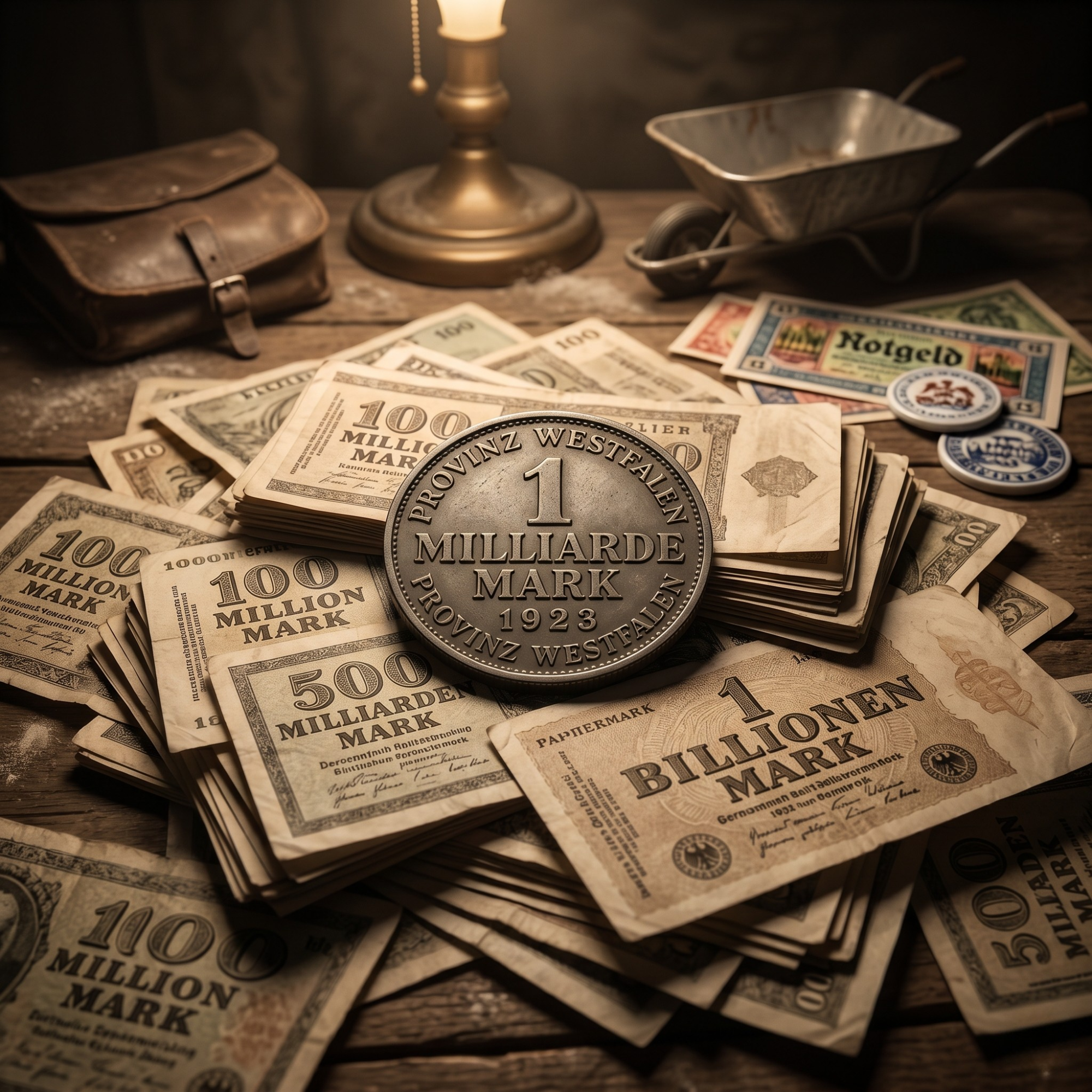
In 1923, it took a wheelbarrow full of cash just to buy a loaf of bread in Germany. Explore the numismatic legacy of the Weimar Republic’s hyperinflation, from emergency porcelain coins (Notgeld) to the legendary 1 Billion Mark coin.
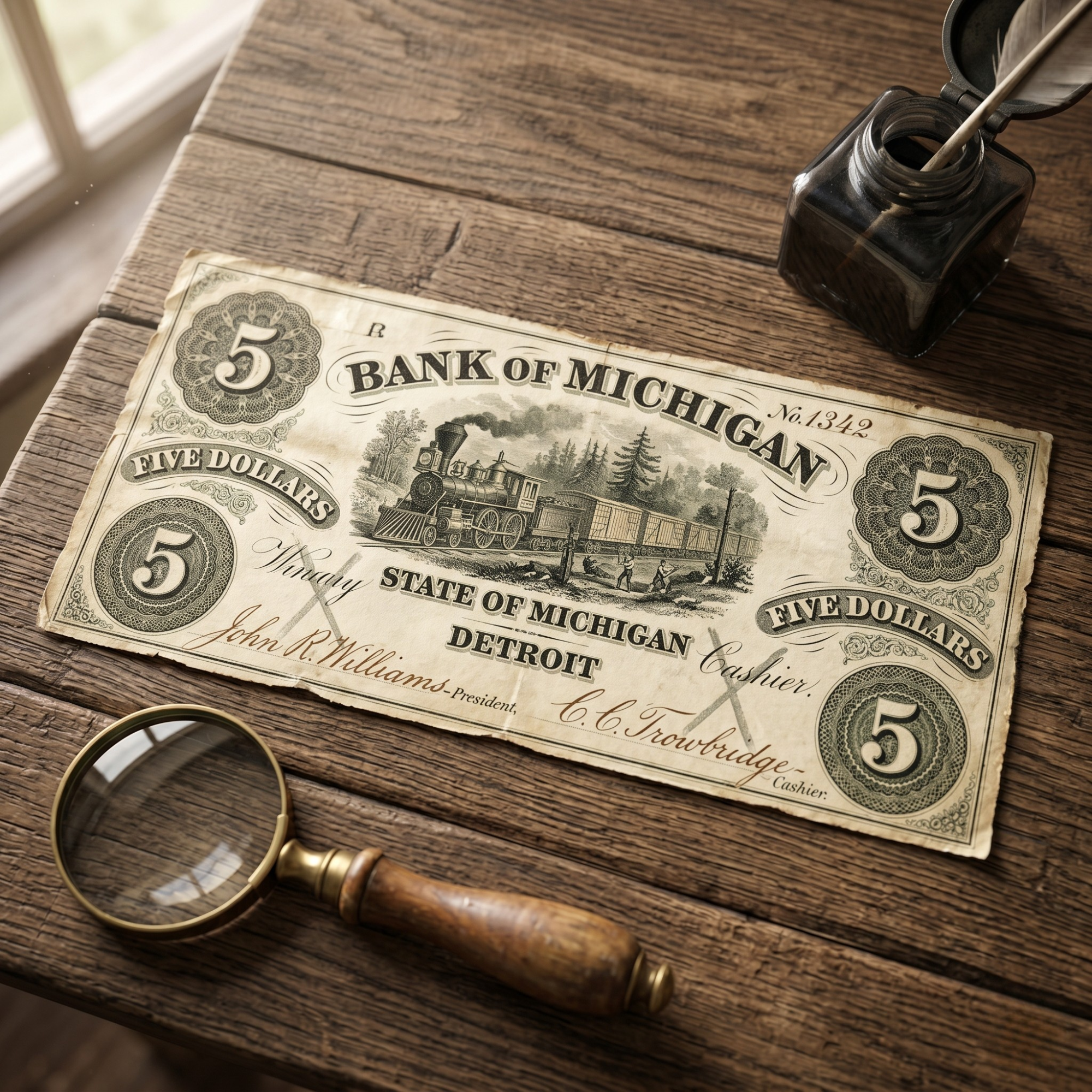
Before the Civil War, local Michigan towns and “Wildcat Banks” printed their own beautiful paper money. Learn the chaotic history behind Obsolete Banknotes, why most of them became worthless paper, and why they are highly prized by local collectors today.
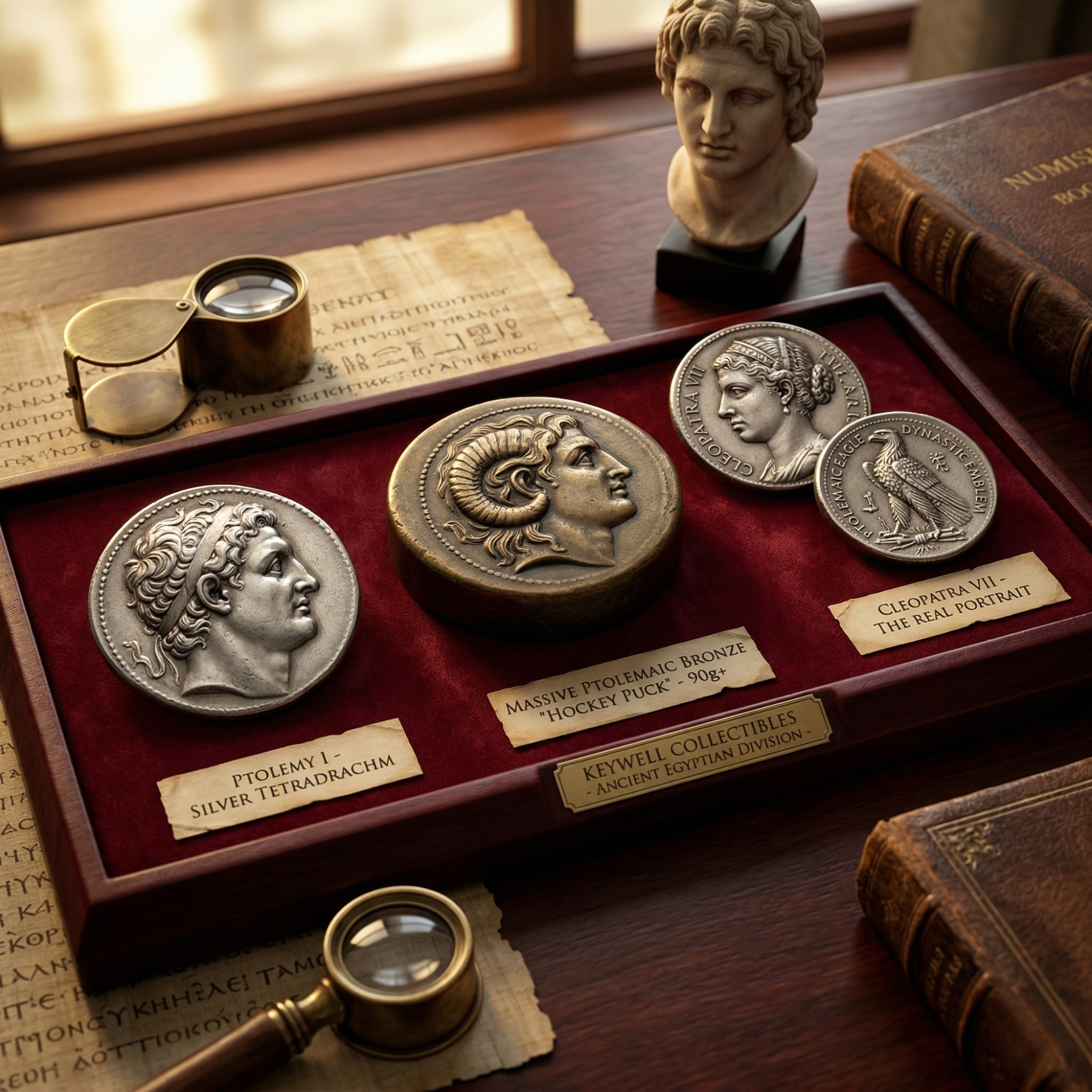
You don’t need a museum to hold Ancient Egyptian history. Explore the coins of the Ptolemaic Dynasty, from massive bronze “hockey pucks” to the historically accurate portraits of the legendary Cleopatra VII.
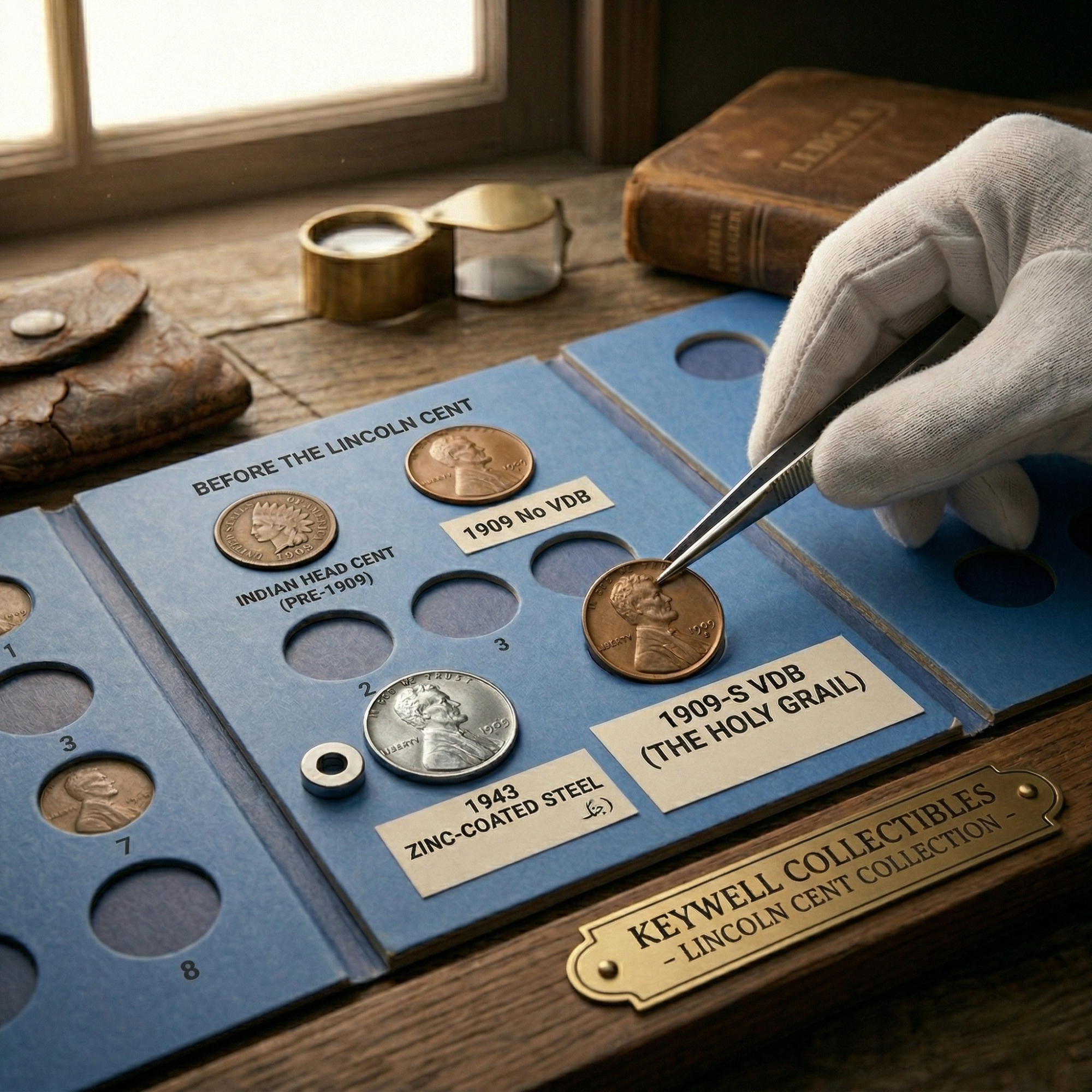
It is the most common coin in America, but it broke all the rules. Learn the history of the Lincoln Cent, including the infamous 1909-S VDB, the WWII Steel Penny, and why pre-1982 copper pennies are still hoarded today.
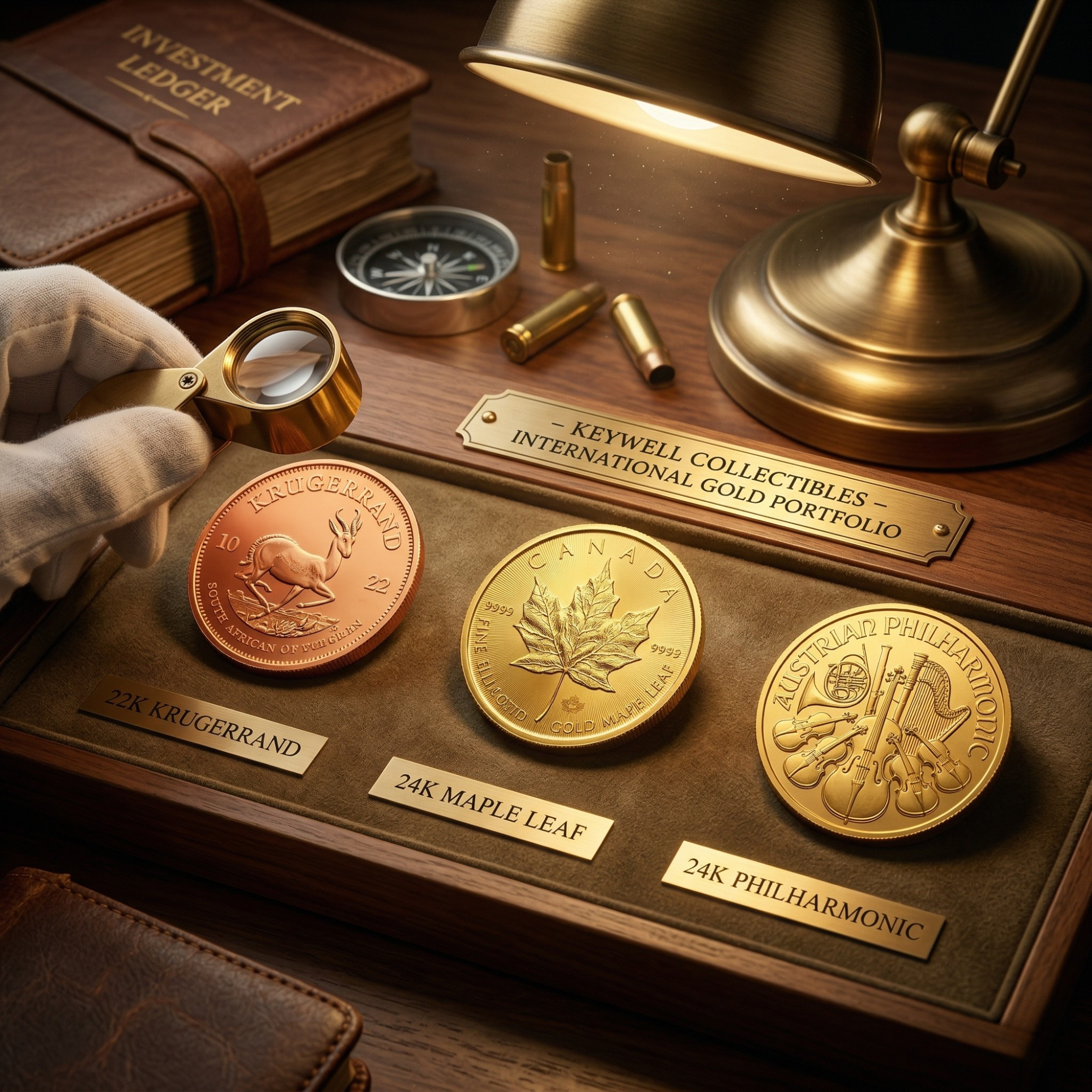
Which gold coin should you buy? We break down the “Big Three” international gold bullion coins: the 22-karat Krugerrand, the ultra-pure 24-karat Canadian Maple Leaf, and the beautifully designed Austrian Philharmonic.
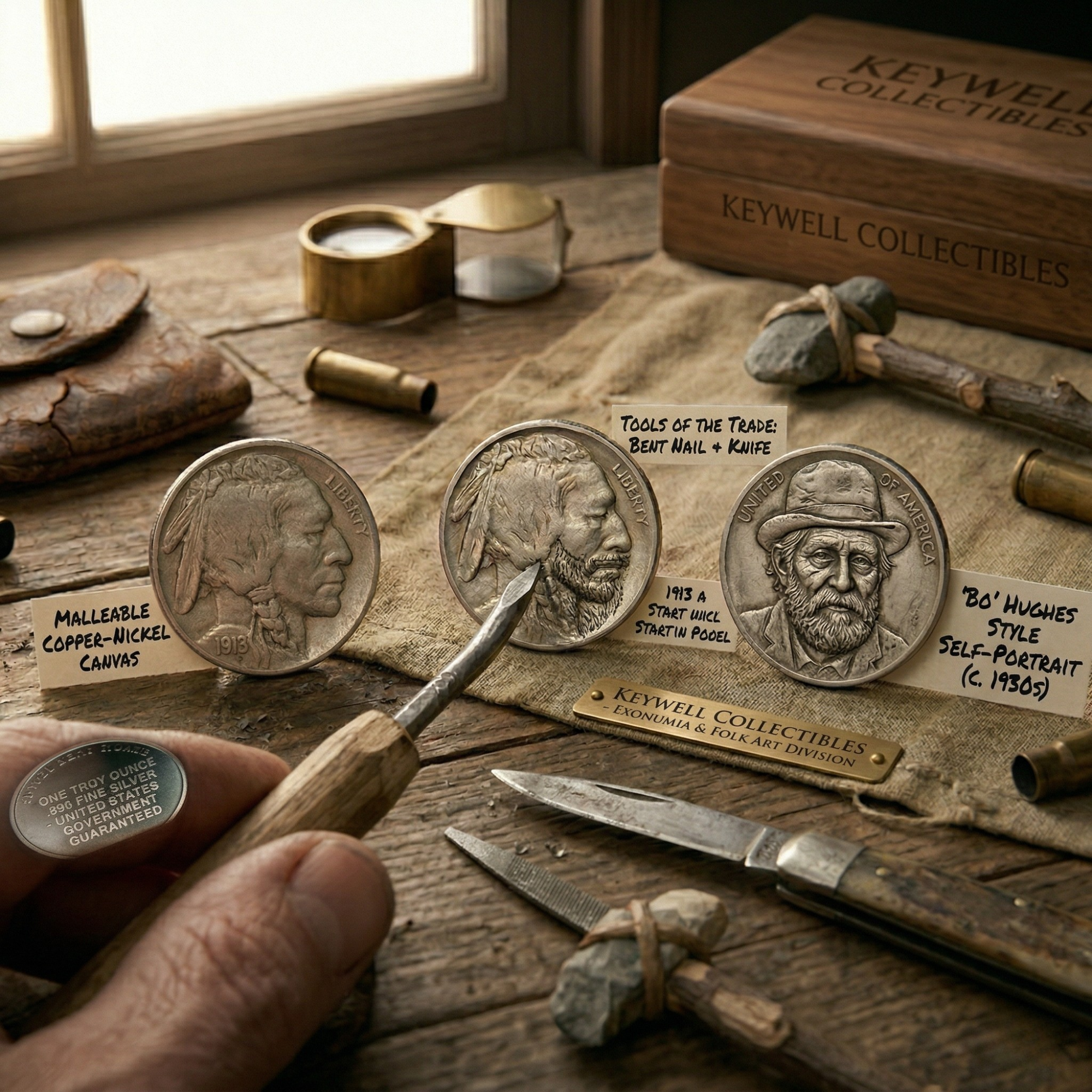
Long before modern engraving, Great Depression-era hobos used pocket knives and nails to carve Buffalo Nickels into miniature folk art. Learn the history of the Hobo Nickel, famous artists like “Bo” Hughes, and why these altered coins are so highly collectible today.
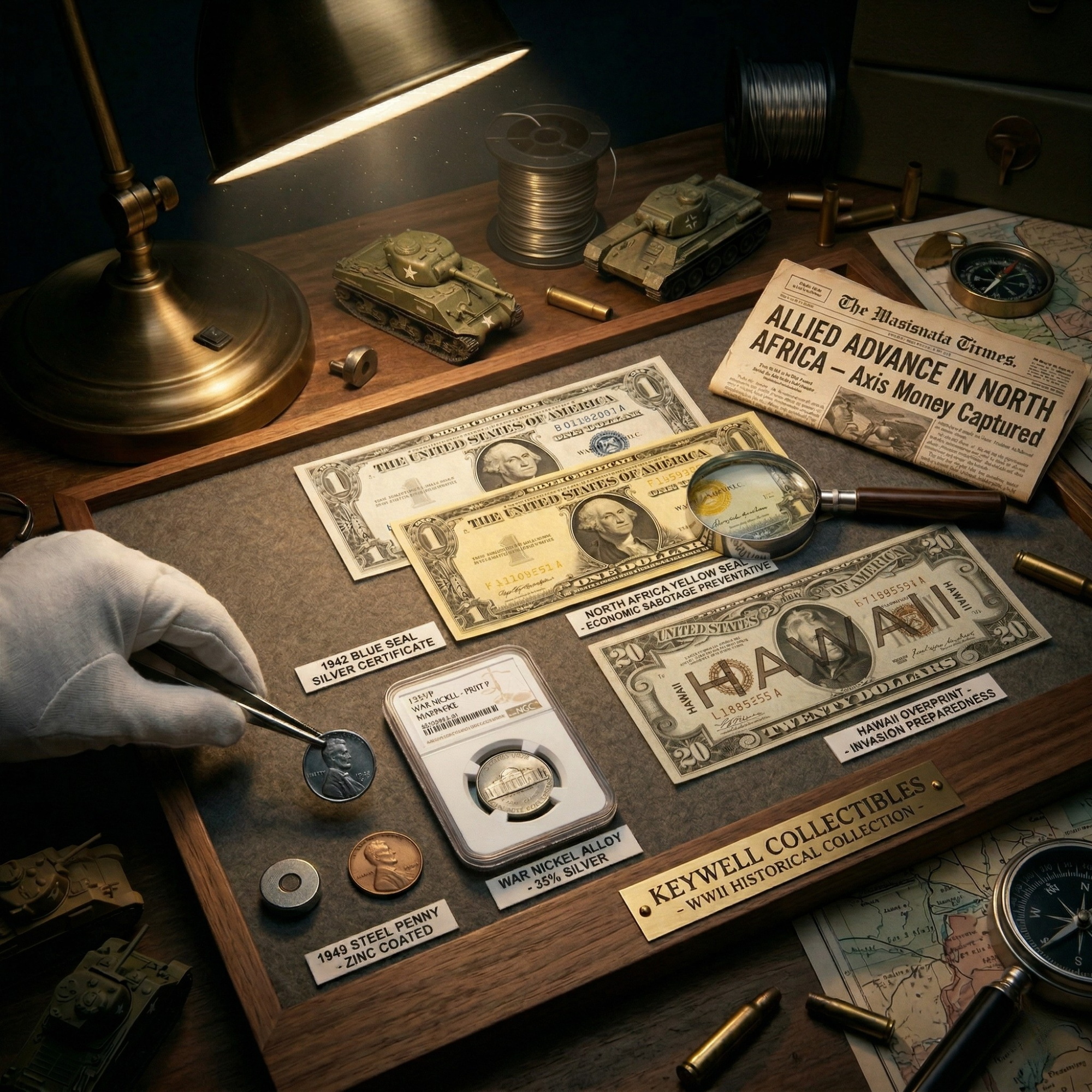
During World War II, the US military needed copper for bullets and nickel for tank armor. Learn how this led to the creation of the famous 1943 Steel Penny, 35% Silver “War Nickels,” and specially printed paper money designed to thwart enemy spies.
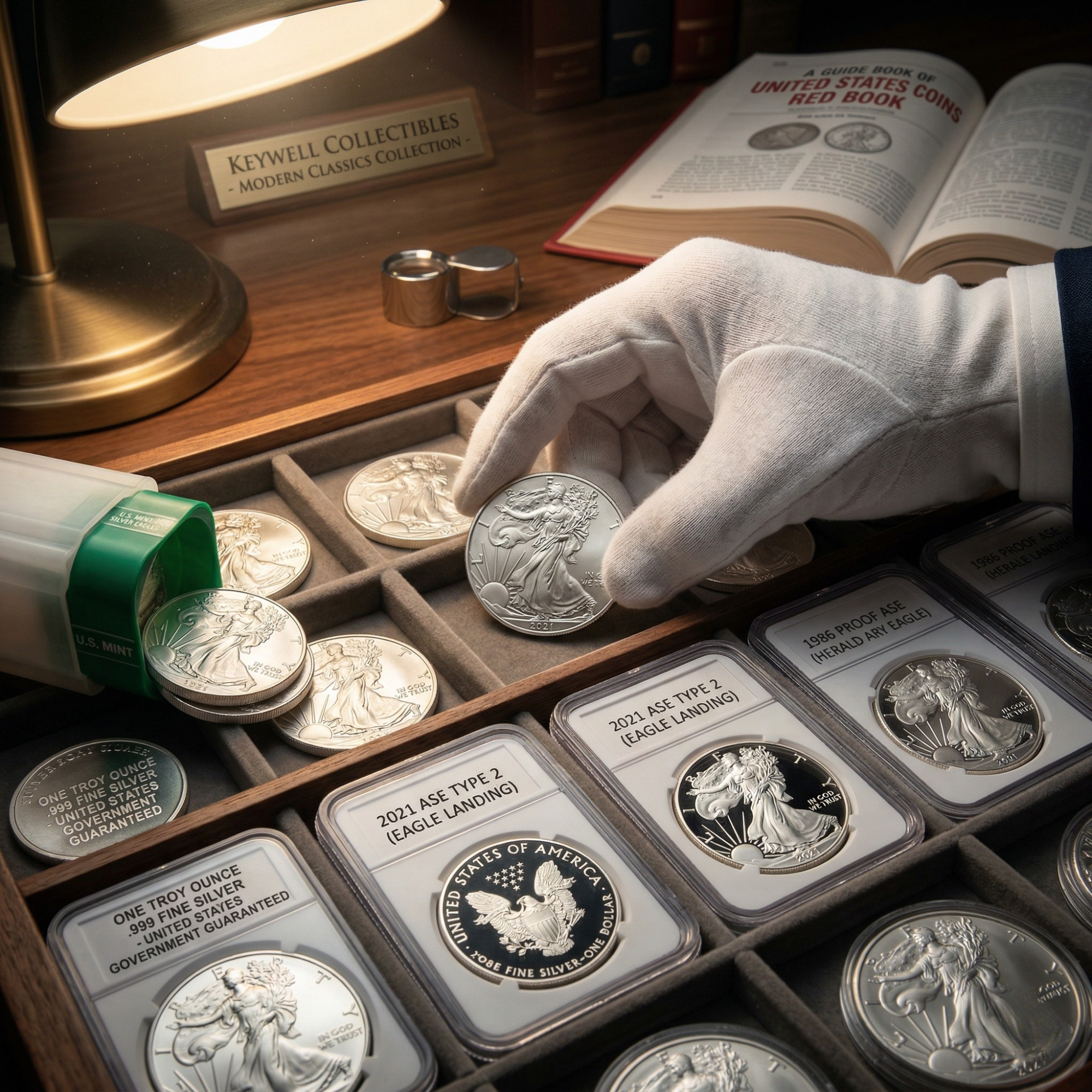
Since 1986, the American Silver Eagle has dominated the precious metals market. Learn why investors and collectors alike prefer this one-ounce, .999 fine silver coin, and discover the difference between standard bullion strikes and highly collectible Proof versions.
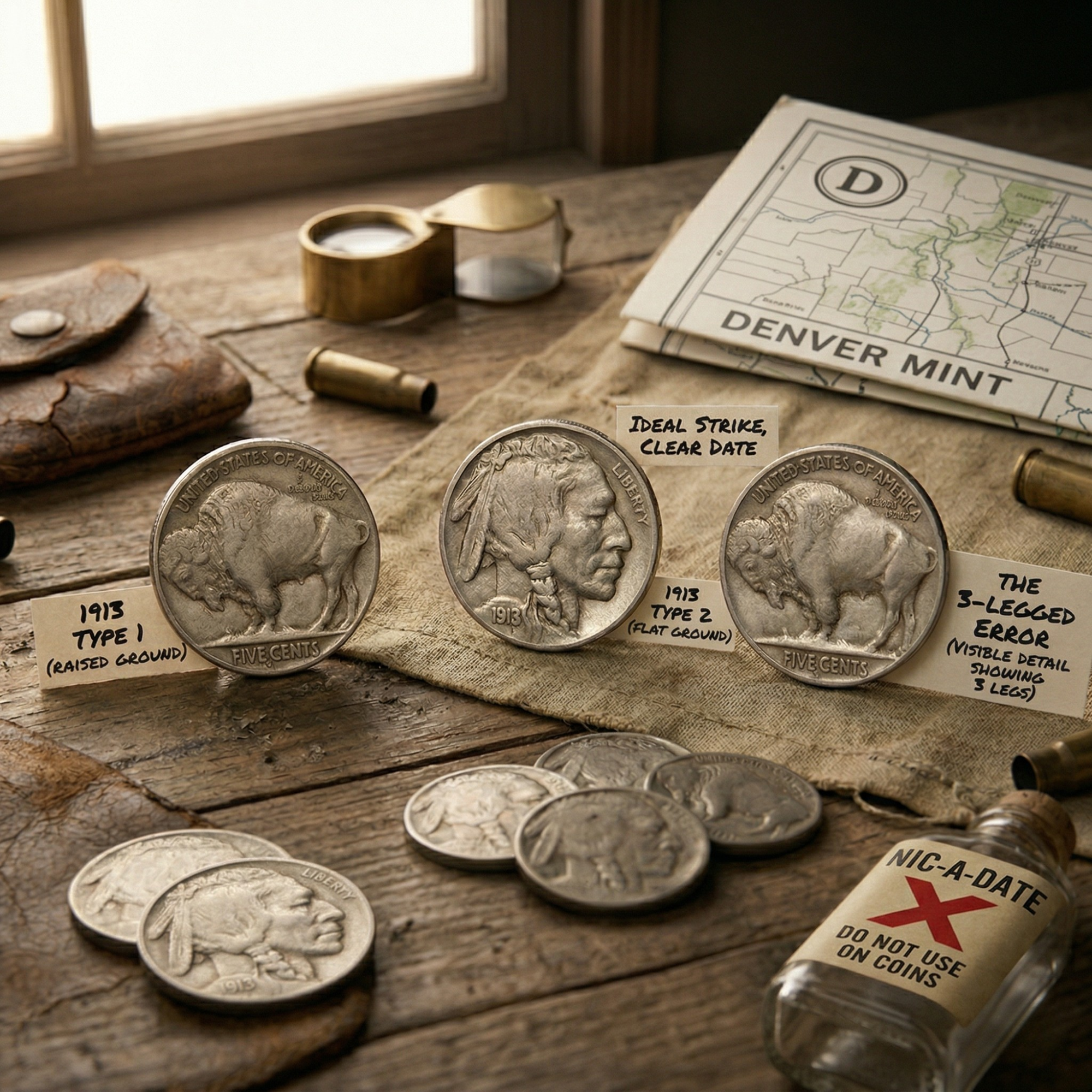
Struck from 1913 to 1938, the Buffalo Nickel is a uniquely American masterpiece. Explore the history of James Earle Fraser’s iconic design, learn why so many of these nickels have no dates, and find out how to spot the highly valuable 1937-D 3-Legged error coin.
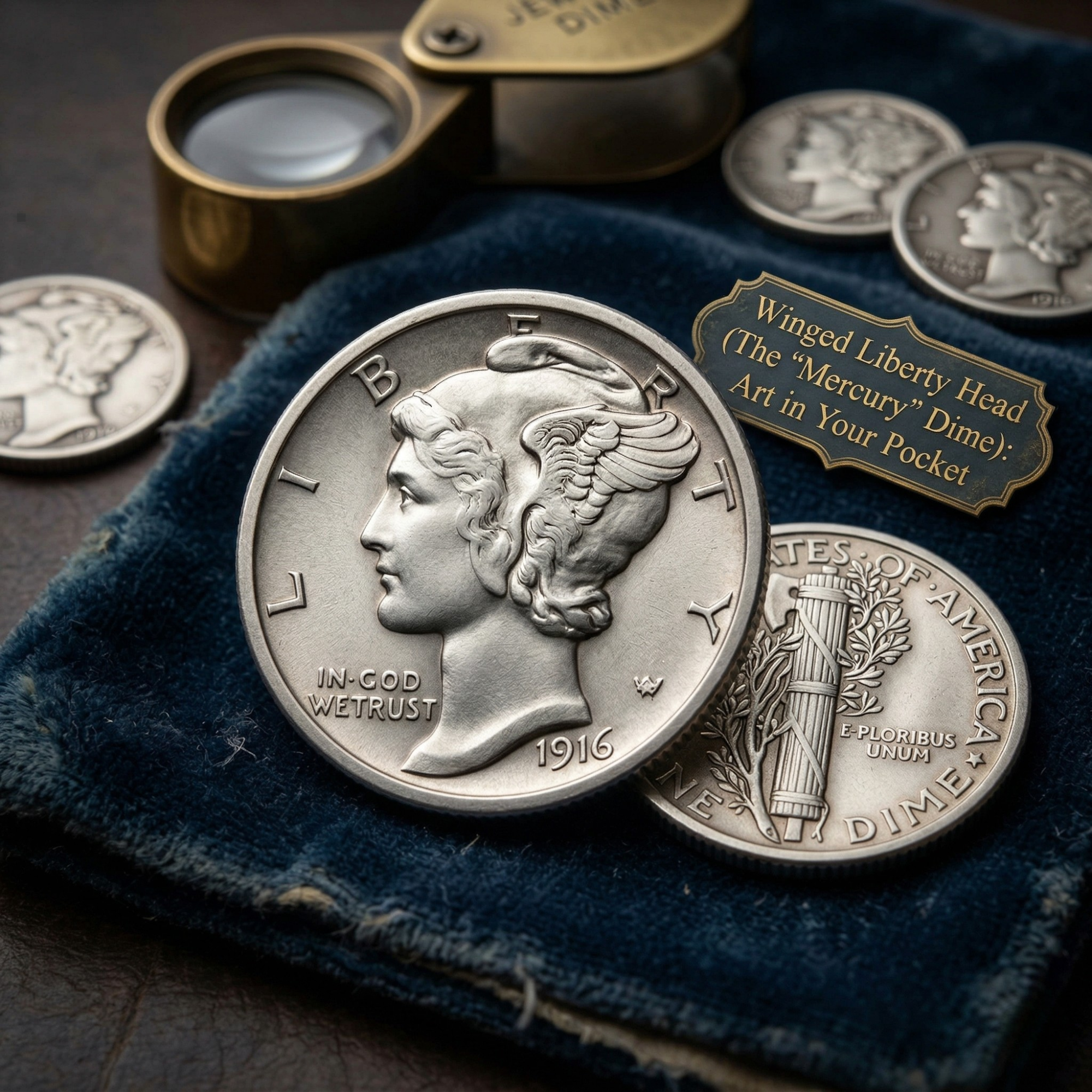
It is widely considered America’s most beautiful small coin. Explore the history of the Mercury Dime, from its mistaken identity to the legendary 1916-D rarity. Learn how “Full Bands” affect a coin’s grade and why these 90% silver coins remain a staple for investors.
- 1
- 2