
How to Identify Authenticity in Coins: Tips from a Lifelong Collector
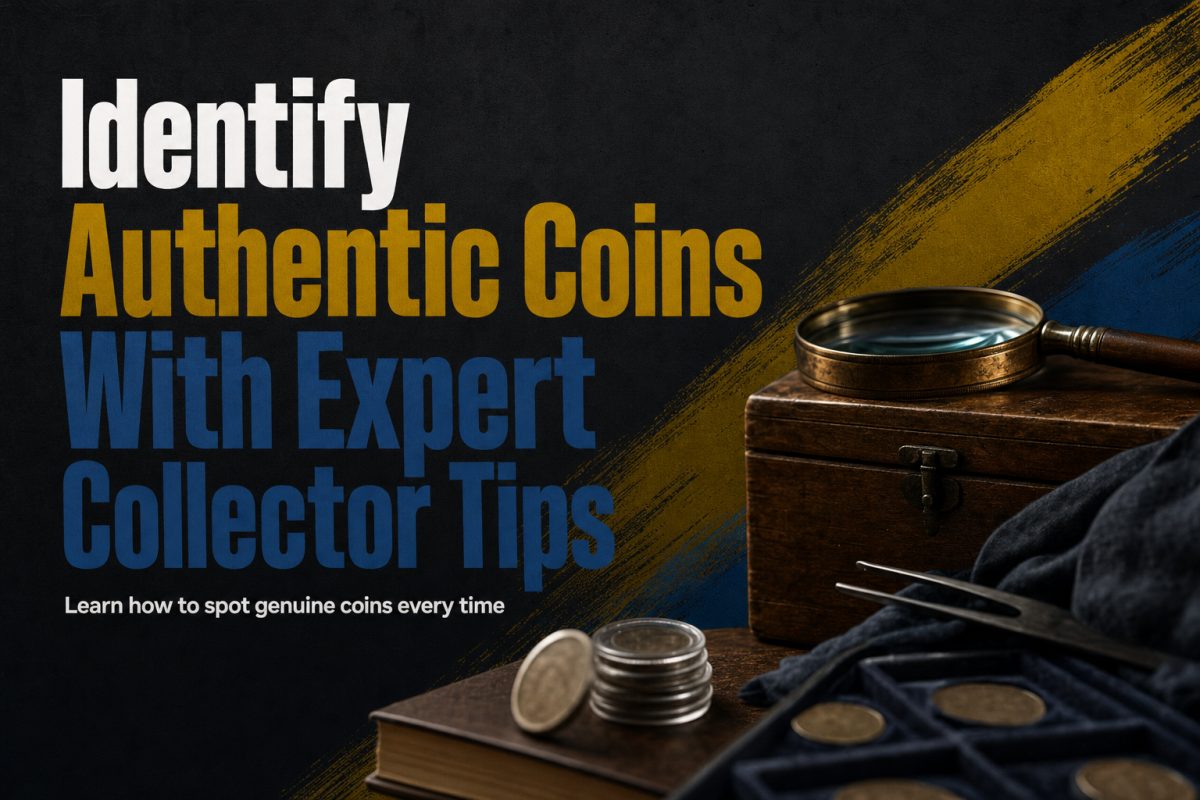
Collecting coins is a rewarding and fascinating hobby, but it comes with the critical responsibility to identify authenticity in coins. Whether you are a new collector or have years of experience, distinguishing genuine coins from replicas or fakes is essential to protect the value and integrity of your collection. Drawing on decades of hands-on experience, this guide shares practical techniques and expert insights to help you confidently evaluate your coins and avoid common pitfalls.
Understanding the Importance of Authenticity in Coin Collecting
The market for collectible coins is vast and diverse, but unfortunately, it includes counterfeit and altered items that can easily mislead collectors. A fake coin can not only cause financial loss but also diminish the joy of collecting. Learning how to identify authenticity in coins is a foundational skill that safeguards your investment and preserves the historical significance of your collection.
Before diving into specific techniques, it is important to remember that no single test is foolproof. Authenticity assessment requires a combination of visual inspection, physical tests, and expert knowledge. This approach helps build confidence in your acquisitions and sales alike.
Key Techniques to Identify Authenticity in Coins
1. Visual Inspection: The First Line of Defense
Carefully examining a coin under good lighting can reveal many clues about its authenticity. Start by comparing the coin’s design details to verified images from trusted references or catalogs.
- Check for sharpness and detail: Genuine coins typically have crisp, well-defined features. Blurry or inconsistent details may indicate a counterfeit or a heavily worn replica.
- Examine the edges: Look for uniform reeding (the grooved edges on many coins) or smoothness consistent with the coin’s type and era.
- Inspect for casting marks or seams: Many counterfeit coins are made by casting rather than striking, which can leave telltale seam lines or bubbles.
- Consider the coin’s color and luster: Authentic coins have a characteristic shine and patina depending on their metal composition and age.
2. Weight and Dimensions: Measuring Authenticity
Genuine coins are produced with precise weight and size specifications. Using a digital scale and calipers, you can compare these measurements to official standards.
- Weigh the coin: Even minor deviations from the expected weight can signal a counterfeit or altered coin.
- Measure diameter and thickness: Authentic coins conform to strict dimensions; any irregularities warrant further investigation.
While weight and size testing is a reliable indicator, it is important to use high-quality measuring tools for accuracy. Environmental factors like dirt or corrosion can also affect measurements, so clean handling is essential.
3. Advanced Tests: When Visual and Physical Checks Aren’t Enough
Some coins require more specialized methods to verify authenticity, especially rare or high-value pieces.
Magnetic Testing
Many counterfeit coins use base metals with magnetic properties, unlike the precious metals in genuine coins. Using a small magnet can help detect these differences. However, some authentic coins contain magnetic alloys, so this test should be combined with other methods.
Sound Test (Ping Test)
Striking a coin gently and listening to its ring or “ping” can reveal its metal composition. Precious metals like silver and gold produce a distinctive, clear tone, whereas counterfeit coins often sound dull or flat. This method requires some practice and a quiet environment.
Professional Grading and Authentication
When in doubt, submitting coins to professional grading services provides an authoritative assessment of authenticity and condition. These third-party experts use advanced equipment and decades of expertise to certify coins, which can also enhance resale value.
Common Red Flags Indicating Potential Counterfeits
Recognizing warning signs can save you from costly mistakes. Here are some common red flags to watch for:
- Unusually low prices: If a deal seems too good to be true, it often is.
- Inconsistent details: Discrepancies in design, lettering, or date fonts compared to official references.
- Excessive wear in odd places: Wear patterns inconsistent with natural circulation or handling.
- Obvious alterations: Signs of cleaning, polishing, or tooling to improve appearance.
- Unknown sellers without verifiable reputation: Always research the source before purchasing.
Tips for New Collectors to Build Confidence in Authenticity
Building expertise takes time, but these strategies can accelerate your learning curve:
- Start with well-documented, lower-value coins: Practice examining these before moving on to rare or expensive pieces.
- Use reputable references and guides: Books, websites, and coin catalogs are invaluable for comparison and study.
- Join collector communities: Forums, local clubs, and shows provide opportunities to learn from experienced collectors.
- Seek professional advice when needed: Trusted appraisers and grading services can verify important acquisitions.
- Keep records and photographs: Documenting your collection helps track provenance and authenticity over time.
Conclusion
Knowing how to identify authenticity in coins is a crucial skill that protects your collection’s value and enriches your collecting experience. Through careful visual inspection, precise measurements, and advanced testing techniques, you can confidently distinguish genuine coins from replicas and fakes. Remember to approach every coin with a combination of knowledge, patience, and healthy skepticism.
For personalized guidance or professional evaluation of your collection, contact Keywell Collectibles, Inc. Our founder, Armand Keywell, brings a lifelong passion and expertise to every consultation. Whether you need expert advice, appraisal, or want to explore our unique custom silver pieces from Mafia Metals, we are here to help. Visit keywellcollectibles.com or email us directly at imakeywell@gmail.com to get started today.
Explore more educational content and collector resources on our blog at Keywell Collectibles Articles.