
The Value of Rarity: How to Identify and Appreciate Rare Coins in Your Collection
Understanding the value of rarity in coins is essential for any collector looking to build or maintain a valuable collection. Rarity not only drives market prices but also reflects historical significance and collector demand. Whether you’re a seasoned numismatist or just starting out, recognizing rare coins can help you make informed decisions about which pieces to hold onto, appraise, or sell. In this article, we will explore how rarity influences coin value and provide practical tips to help you spot rare coins worth appreciating.
What Does Rarity Mean in Coin Collecting?
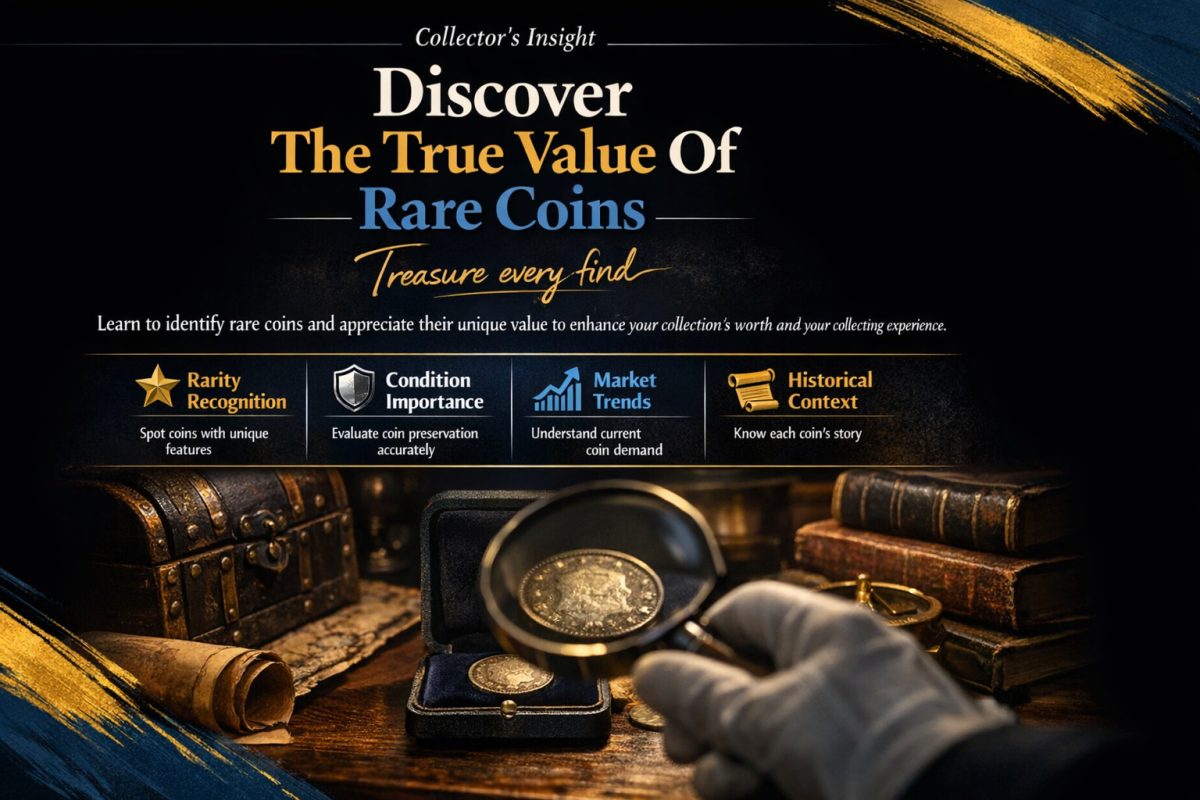
Rarity in coins refers to how uncommon or scarce a particular coin is, either due to limited mintage, survival rates, or unique characteristics. However, rarity is not solely about how many coins were originally produced; it also involves how many have survived in collectible condition over time.
Types of Rarity
- Mintage Rarity: Coins with low original production numbers are often rare by default.
- Survival Rarity: Some coins had large mintages, but very few survive today due to loss or damage.
- Error or Variety Rarity: Coins with unique minting errors or design variations can be rare and highly sought after.
- Historical Rarity: Coins linked to specific historical events or periods may hold rarity due to their provenance.
Why Rarity Influences Value
The value of rarity in coins stems from basic supply and demand principles. Collectors prize coins that are difficult to find, especially in high grades. A rare coin with a strong collector base will command a premium, often exponentially higher than a common coin of similar metal content.
Moreover, rarity contributes to a coin’s story and desirability. A coin that survived centuries or an unusual mint error tells a unique tale, adding to its intangible value.
How to Identify Rare Coins in Your Collection
Spotting rare coins requires careful observation and some research. Here are key strategies collectors use to identify potentially rare and valuable pieces.
1. Study Coin Mintage and Survival Rates
Begin by researching the mintage figures for your coins. Reference books and reputable online databases provide detailed minting numbers and estimated survival rates. Coins with very low mintage or few surviving examples are candidates for rarity.
2. Look for Key Dates and Mint Marks
Certain years and mint marks are known among collectors as “key dates” because they represent low production or important variations. For example, a 1909-S VDB Lincoln cent is famously rare and valuable.
Pay attention to small details like the presence or absence of a mint mark, as these can drastically affect rarity and value.
3. Examine Condition and Grading
Even a rare coin loses value if it is heavily worn or damaged. Condition, or grade, plays a critical role in determining value. Coins in higher grades—those with minimal wear and good eye appeal—are exponentially more valuable than lower-grade counterparts.
4. Identify Unique Varieties and Errors
Look closely for anomalies such as doubled dies, repunched mint marks, off-center strikes, or planchet defects. These error coins are often rare because they were produced in limited quantities before the mint corrected the mistake.
Appreciating the Rarity and Its Role in Your Collection
Recognizing rarity is only the first step; appreciating what it means for your collection adds depth and intentionality to your hobby.
Building a Balanced Collection
While chasing rarity can be exciting, it’s important to balance rare coins with pieces that fit your collecting interests and budget. A well-rounded collection tells a story and holds both sentimental and monetary value.
Preserving Rare Coins Properly
Rare coins deserve careful preservation. Avoid cleaning or handling coins improperly, as this can damage surfaces and reduce value. Use proper storage solutions such as acid-free holders, coin capsules, or custom cases.
Consulting Experts for Appraisals
When you suspect a coin might be rare or valuable, seek professional appraisal and grading services. Expert evaluation ensures authenticity and accurate valuation, which are crucial for insurance, sale, or estate planning.
Practical Tips to Protect and Leverage Your Rare Coins
Protecting and leveraging the value of rare coins requires proactive steps beyond identification.
- Document Your Collection: Keep detailed records including photographs, purchase receipts, and grading reports.
- Secure Storage: Use a safe or safety deposit box to protect coins from theft or environmental damage.
- Regular Appraisals: Update appraisals periodically to reflect market changes and condition.
- Consider Insurance: Insure valuable rare coins separately or as part of a collectibles policy.
- Engage with the Collector Community: Attend coin shows and auctions to learn about market trends and network with experts.
These steps will help you maximize the benefits of owning rare coins while minimizing risks.
Conclusion
Understanding the value of rarity in coins is key to becoming a knowledgeable and successful collector. By learning how to identify rare coins through mintage, condition, mint marks, and unique varieties, you can make smarter decisions about your collection. Appreciate rarity not just for market value but as a link to history and craftsmanship. For personalized guidance, professional appraisals, or to explore unique custom silver pieces through our Mafia Metals line, contact Keywell Collectibles, Inc. Our expert team, led by lifelong collector Armand Keywell, is ready to help you navigate your collecting journey with transparency and passion.
Visit us at keywellcollectibles.com or email imakeywell@gmail.com to schedule a consultation or get started today.