
Beginner’s Guide to Coin Grading: What Every New Collector Should Know
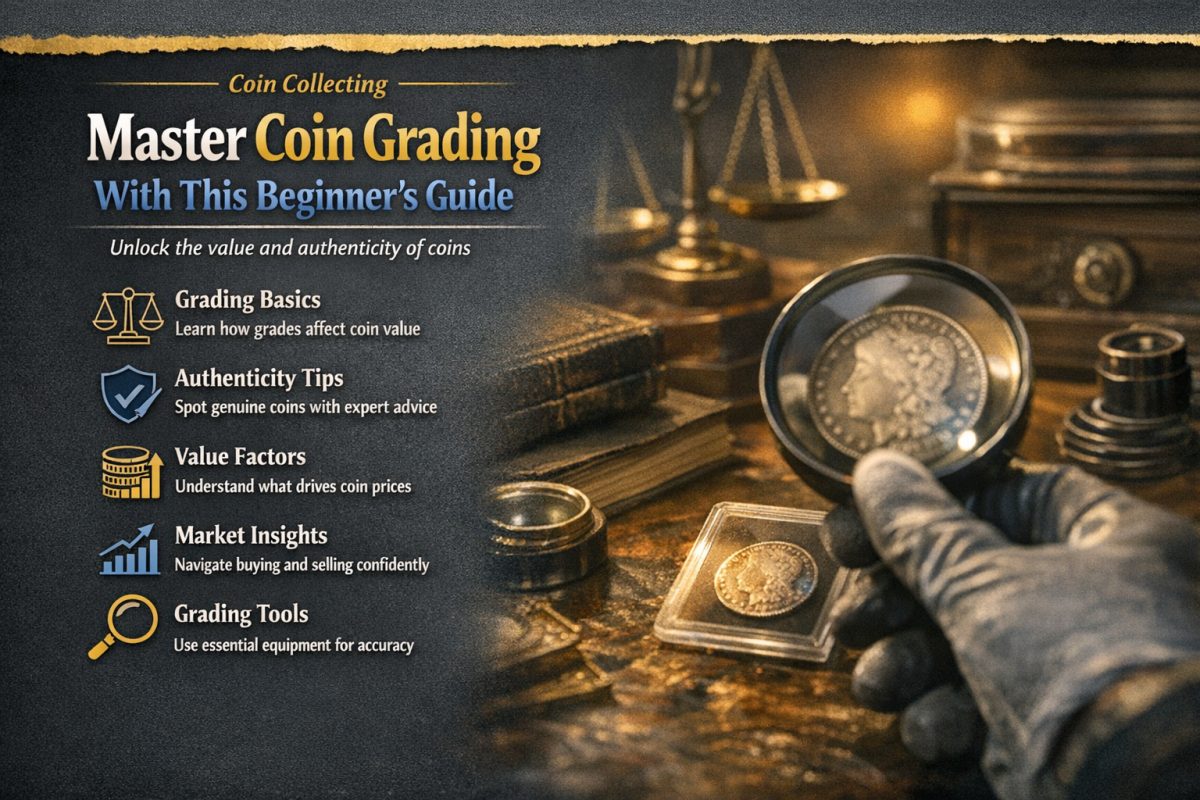
For anyone starting a coin collection, understanding coin grading is essential. Coin grading for beginners can seem complex at first, but it plays a critical role in determining a coin’s value, authenticity, and marketability. This guide will walk you through the basics of coin grading, explain how grades are assigned, and highlight why proper grading matters when buying, selling, or appraising coins. Whether you have a handful of coins or an inherited collection, learning about grading helps you make informed decisions and protect your investment.
What Is Coin Grading?
Coin grading is the process of evaluating a coin’s condition based on specific criteria, which helps establish its quality and value. The grade reflects a coin’s physical state, including factors like wear, luster, strike quality, and any damage or cleaning. Since even minor differences in condition can dramatically impact a coin’s market price, grading is a fundamental skill for collectors.
The Purpose of Grading
Grading serves several important purposes:
- Value Assessment: Coins in higher grades are generally more valuable.
- Authenticity Verification: Grading often involves expert examination to confirm a coin’s legitimacy.
- Marketability: Properly graded coins are easier to sell and fetch fair prices.
- Condition Documentation: Grading provides a consistent standard to compare coins across collections.
Who Grades Coins?
Coins can be graded by professional third-party services or by collectors themselves. Professional grading companies, like PCGS or NGC, provide certified grades and encapsulate coins in tamper-proof holders. While this adds cost, it often increases buyer confidence and resale value. Beginners should start by learning basic grading principles before deciding whether to pursue professional grading.
Understanding the Coin Grading Scale
Most grading systems use a numerical scale from 1 to 70, known as the Sheldon Scale. This scale was developed to standardize grading and is widely accepted across the numismatic community.
Key Grade Categories
- Poor to Fair (1-10): Coins heavily worn or damaged, often only outlines visible.
- Good to Very Good (11-20): Coins with significant wear but details are still discernible.
- Fine to Very Fine (21-40): Moderate wear with major features clear.
- Extremely Fine (41-50): Light wear visible on high points.
- About Uncirculated (AU 50-59): Slight traces of wear but nearly full details and luster.
- Mint State (MS 60-70): Coins with no wear, varying from average to perfect condition.
Grades above MS 60 indicate higher quality mint state coins, with MS 70 representing a perfect coin with no flaws visible under magnification.
Factors That Affect a Coin’s Grade
Grading is subjective but based on consistent factors:
- Wear and Surface Preservation: The amount of abrasion or damage from circulation.
- Luster: The coin’s original shine or reflectivity from minting.
- Strike Quality: How sharply the design details were imprinted.
- Eye Appeal: Overall visual attractiveness, including toning or discoloration.
- Damage or Cleaning: Scratches, corrosion, or improper cleaning negatively impact grades.
Remember, never clean your coins, as this can reduce their grade and value significantly.
How Coin Grading Impacts Value and Saleability
The grade of a coin directly influences its market value and desirability. Collectors and investors rely on grading to assess the quality of coins before purchase or sale. Here’s how grading impacts your collection:
Value Differences by Grade
A coin in a higher grade often commands exponentially higher prices than the same coin in a lower grade. For example, a silver dollar graded MS-65 can be worth several times more than one graded VF-30, even though they are the same type and date. This is why understanding grading helps beginners avoid overpaying for coins that appear similar but differ greatly in condition.
Trust and Transparency
Professionally graded coins come with certification, giving buyers confidence that the coin matches the described grade. This transparency makes graded coins more liquid and easier to sell at fair market prices. For beginners selling coins, professional grading can open access to wider markets and collectors who demand certified quality.
Grading and Collecting Goals
When building your collection, consider how grading aligns with your objectives:
- Investment: Aim for higher grades and certified coins to maximize value.
- Hobby Collecting: Focus on coins with eye appeal and personal interest; grading helps identify condition but isn’t the only factor.
- Inherited Collections: Grading can help appraise and value items fairly for insurance or sale.
Tips for Beginners Learning Coin Grading
Getting started with coin grading can feel overwhelming, but these tips will help you build confidence and skill:
1. Study Grading Guides and Resources
Many reputable grading companies and numismatic organizations publish free guides and videos explaining grading standards. Use these resources to familiarize yourself with different grades and grading terminology.
2. Compare Coins Side-by-Side
Practice by comparing coins of similar types but varying conditions. This hands-on approach trains your eye to notice subtle differences in wear and strike.
3. Join Collector Communities
Engage with forums, clubs, or social media groups where experienced collectors share grading advice and offer feedback. Real-world input accelerates learning.
4. Use Proper Tools
A good magnifying glass or jeweler’s loupe and a well-lit workspace are essential for examining details closely. Avoid relying on photographs alone, which can distort true condition.
5. When in Doubt, Seek Professional Help
If you’re uncertain about grading a coin, consider consulting a professional appraiser or submitting the coin to a grading service. This can provide an unbiased, expert assessment.
Conclusion
Understanding coin grading for beginners is a crucial step in becoming a knowledgeable collector. Grading impacts not only the value of your coins but also how easily you can buy, sell, or insure them. By learning the grading scale, recognizing key factors that influence grades, and practicing your evaluation skills, you’ll protect your investment and enjoy your collection more fully. If you have inherited coins or want expert guidance, Keywell Collectibles offers professional appraisals and grading advice tailored to your needs. Our founder, Armand Keywell, brings decades of experience to help you navigate the complex world of coin collecting.
Ready to take the next step in your collecting journey? Contact us today for expert appraisal, grading consultation, and personalized service you can trust.