
Inherited Coins? Here’s How to Navigate Appraisals and Estate Evaluations
Inheriting a coin collection can be both an exciting and overwhelming experience. Whether you’ve recently received coins from a family member or relative, understanding the value and proper handling of these inherited treasures is crucial. Inherited coin appraisals and estate evaluations are essential steps that help you determine the true worth of your collection and make informed decisions about its future. This article will guide you through the process, highlighting key considerations and best practices to ensure you manage your inherited coins wisely.
Understanding the Importance of Professional Appraisals for Inherited Coins
When you inherit a coin collection, the first step is often to understand its value. Professional appraisals provide an expert assessment that goes beyond face value, considering rarity, condition, provenance, and market demand.
Why You Should Avoid DIY Valuations
It can be tempting to try and value coins on your own using online resources or price guides. However, inherited coin appraisals require a nuanced understanding of grading standards, market fluctuations, and authenticity verification. Mistakes can lead to undervaluing or overestimating your collection, which can affect estate settlements, insurance, and potential sales.
How Professional Appraisals Benefit Estate Evaluations
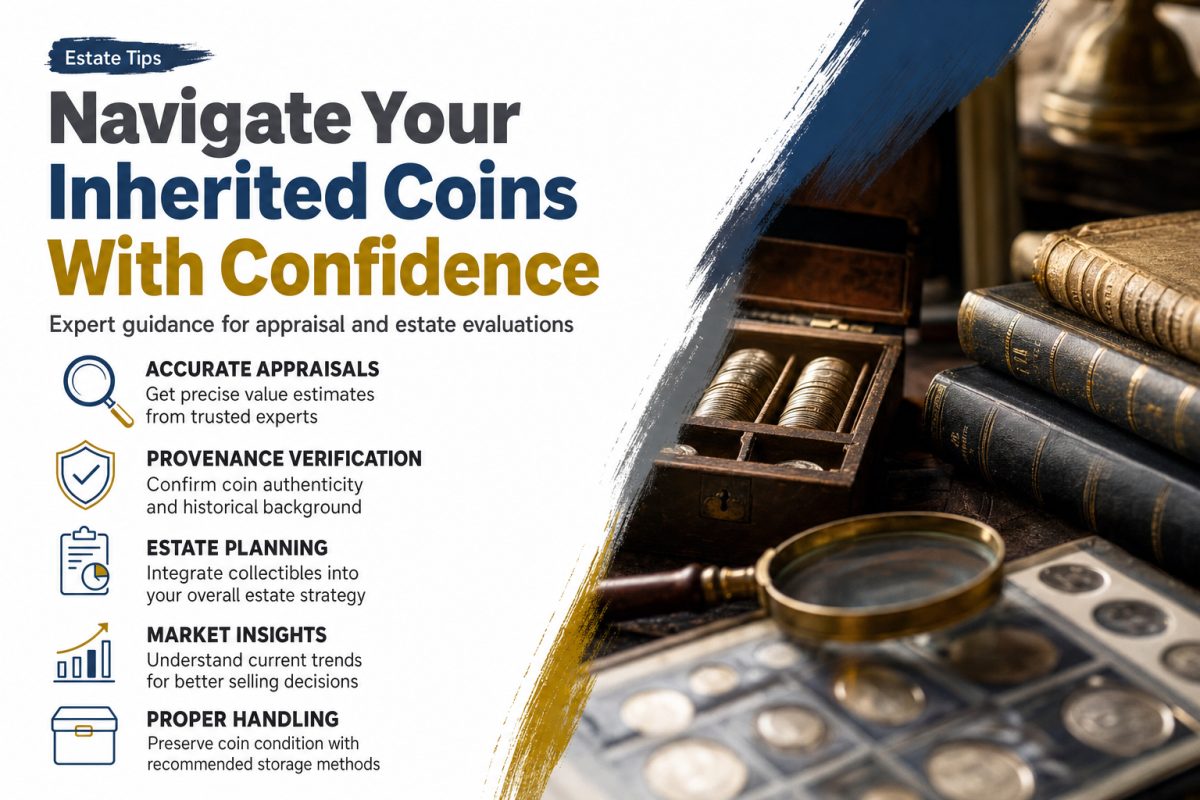
Accurate appraisals are critical for estate planning, insurance coverage, and legal matters. An appraiser’s detailed report provides:
- Documentation of coin condition and rarity
- Fair market value estimates based on current trends
- Authentication to protect against counterfeit risks
- Support for equitable distribution among heirs
Step-by-Step Guide to Navigating Inherited Coin Appraisals
Handling inherited coins involves several important steps to ensure their value is properly documented and protected.
1. Organize and Inventory the Collection
Begin by carefully cataloging each coin. Note any identifiable features such as denomination, year, mint mark, and condition without attempting to clean or alter the coins. This inventory forms the foundation for professional appraisal.
2. Choose a Reputable Appraiser
Look for an appraiser with a strong background in numismatics and a reputation for transparent, ethical service. Experience with estate appraisals is a plus, as they understand the unique needs of inherited collections.
3. Schedule an In-Person or Virtual Consultation
Depending on your location and comfort, many professionals offer flexible options such as in-person appointments, virtual consultations, or secure mail-in appraisals. This flexibility can be particularly helpful for nationwide clients.
4. Review the Appraisal Report Thoroughly
An appraisal report should include detailed descriptions, grading information, and estimated values. Use this report as a reference for insurance, estate settlement, or potential sale decisions.
Key Considerations for Estate Evaluations and Legal Compliance
Estate evaluations of inherited coins are not just about value—they also involve legal and tax considerations that require careful attention.
Estate Taxes and Reporting
Depending on the size of the estate and jurisdiction, the value of inherited coins may need to be reported for estate tax purposes. Professional appraisals help ensure compliance and accurate reporting.
Insurance and Protection of Inherited Coins
Once the coins are appraised, updating or obtaining insurance coverage is critical to protect your inherited assets. Appraisal documentation supports accurate coverage limits and claims processing.
Distributing the Collection Fairly Among Heirs
If multiple heirs are involved, transparent appraisal documentation facilitates fair distribution or sale of the collection. This reduces disputes and streamlines estate administration.
Additional Tips for Handling Inherited Coin Collections
- Do not clean or polish coins: Cleaning can damage the coins and reduce their value.
- Store coins properly: Use acid-free holders or coin albums to protect condition.
- Consider long-term goals: Decide whether to keep, sell, or consign based on your interests and market conditions.
- Stay informed: Follow numismatic news and trends to understand the evolving value of your collection.
Why Partnering with Experts Like Keywell Collectibles Makes a Difference
Inherited coin appraisals and estate evaluations require both technical expertise and a collector’s perspective. Founded by lifelong collector Armand Keywell, Keywell Collectibles provides trusted, transparent, and personalized service nationwide. Their hands-on experience ensures clients receive honest valuations and tailored advice. With flexible options including in-person, virtual, and secure mail-in consultations, Keywell Collectibles is well-equipped to assist with every stage of managing your inherited coins.
Additionally, Keywell’s unique custom silver pouring service, Mafia Metals, offers a creative outlet for collectors seeking bespoke silver artistry, further enriching the collector’s experience.
Conclusion
Inherited coins carry both sentimental and financial value, making it essential to approach their appraisal and estate evaluation with care and expertise. By following the steps outlined here and working with knowledgeable professionals, you can ensure your inherited collection is accurately valued, protected, and managed according to your goals.
Ready to take the next step with your inherited coin collection? Contact Keywell Collectibles today for expert guidance on appraisals, estate evaluations, and more. Visit KeywellCollectibles.com or email imakeywell@gmail.com to schedule your consultation and start protecting your treasured inheritance.