

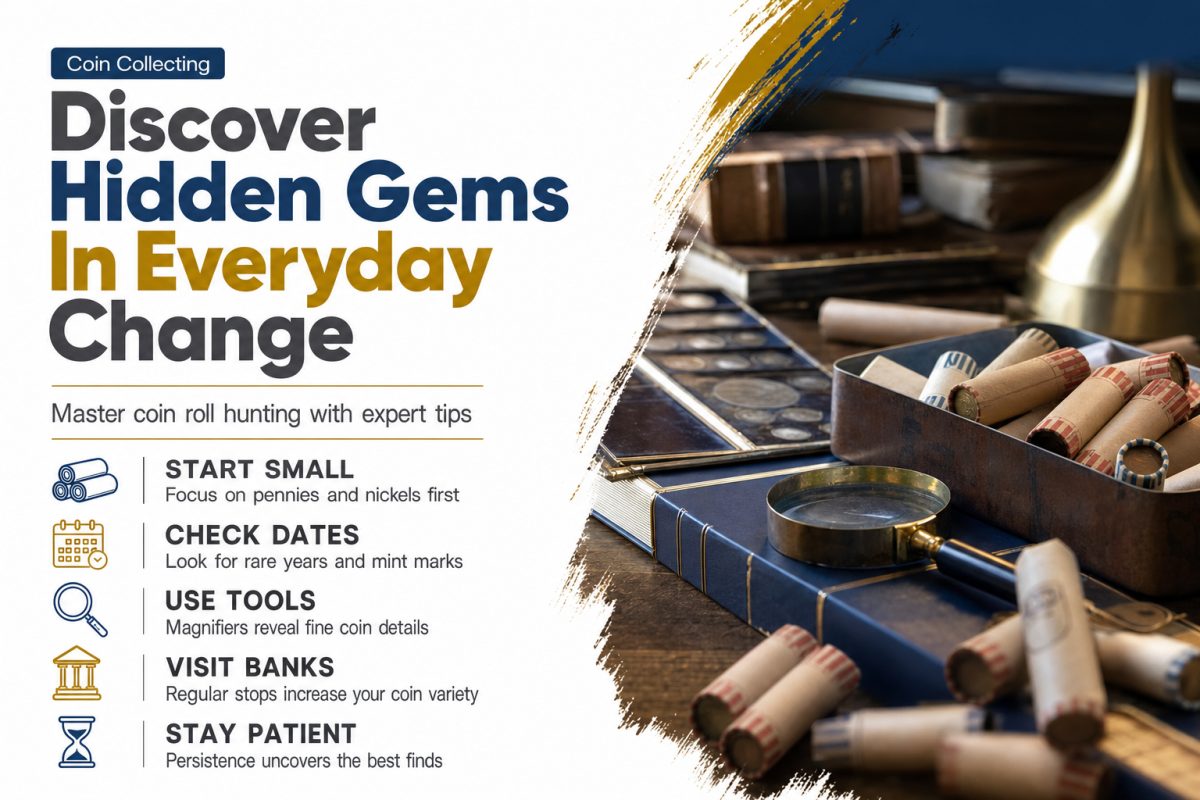
Coin Roll Hunting 101: Tips to Discover Hidden Gems in Everyday Change
Coin roll hunting is a fascinating and rewarding hobby that allows collectors to explore the coins that circulate daily in banks and businesses. This practice involves searching through rolls of coins—often pennies, nickels, dimes, or quarters—in hopes of discovering valuable or rare specimens. For beginners, coin roll hunting offers an accessible way to expand a collection without immediate large investments. In this article, we will introduce the basics of coin roll hunting and share practical tips to help you uncover hidden gems in everyday change.
What Is Coin Roll Hunting?
Coin roll hunting, sometimes abbreviated as CRH, is the process of obtaining rolls of coins from banks or credit unions and examining them carefully to find rare or collectible pieces. Unlike buying coins from dealers or auctions, CRH relies on patience and the chance that valuable coins are still circulating among everyday money.
Why Coin Roll Hunting Appeals to Collectors
For many, the thrill of discovery is the core appeal of coin roll hunting. It’s an adventurous, hands-on way to connect with history and potentially find coins that are worth more than their face value. Additionally, it is budget-friendly and educational, making it an ideal entry point for new collectors.
Common Coins to Hunt
Depending on your collecting interests, you may focus on different denominations. Common targets include:
- Pennies: Look for wheat cents, steel cents, or early Lincoln Memorial pennies.
- Nickels: Jefferson nickels from before 1965, especially those with silver content.
- Dimes: Roosevelt dimes minted before 1965 contain 90% silver, making them highly sought after.
- Quarters: Washington quarters minted before 1965 also have silver content; state quarters and special issues can also be valuable.
Getting Started: Essential Tips for Coin Roll Hunting Beginners
Starting coin roll hunting can seem overwhelming, but with the right approach, you can quickly build confidence and knowledge.
1. Establish a Relationship with Your Bank
Visit your local bank or credit union and ask about obtaining rolls of coins. Most banks will exchange rolls of pennies, nickels, dimes, or quarters for cash or your own coins. It’s best to establish a good rapport with bank tellers, as they may be able to set aside specific rolls or notify you when interesting coins arrive.
2. Gather Basic Tools
While many collectors start simply with their eyes and fingers, having some tools can improve your efficiency:
- A magnifying glass or jeweler’s loupe helps examine details closely.
- Gloves protect coins from oils and dirt on your hands.
- A coin sorting tray or box keeps rolls organized and prevents damage.
- A notebook or spreadsheet to track your finds and sources.
3. Learn to Identify Key Characteristics
Understanding how to spot valuable coins requires knowledge of dates, mint marks, and varieties. For example, certain years had low mintage or unique features that increase desirability. Reference guides and reputable online resources are essential to build this expertise.
Techniques to Maximize Your Coin Roll Hunting Success
Beyond preparation, employing smart techniques can significantly increase your chances of finding valuable coins.
1. Focus on Silver Coins
Coins minted before 1965 often contain silver, especially dimes, quarters, and half dollars. These coins have intrinsic metal value beyond face value and are prized by collectors. When roll hunting, prioritize these denominations and years to improve your odds.
2. Examine the Edges and Surfaces
Carefully inspect the edges of coins for reeded (grooved) or smooth designs, which can hint at authenticity and type. Look for unusual toning, wear patterns, or minting errors that might indicate rarity.
3. Be Patient and Systematic
Don’t rush through rolls. Methodically go through each coin, taking notes on anything unusual or noteworthy. Over time, you will develop a sharper eye for spotting hidden gems.
4. Use a Sorting Strategy
Some collectors separate coins by type or date as they go, which helps keep track and speeds up later research or grading. Organizing your finds prevents missing valuable pieces in a pile of ordinary coins.
Common Pitfalls and How to Avoid Them
Even experienced coin roll hunters face challenges that can be mitigated with awareness.
Never Clean Your Coins
It is critically important to never clean coins. Cleaning can damage the coin’s surface, reduce its value, and leave permanent marks. Collectors value original condition, so preserving coins as found is essential.
Avoid Counterfeits and Altered Coins
As the market for rare coins grows, counterfeit and altered coins have become more common. Use trusted references and seek expert opinions if a find seems suspicious or unusually valuable.
Don’t Expect Instant Riches
Coin roll hunting is a hobby that rewards patience and knowledge rather than quick profits. Most rolls will contain common coins. Persistence and learning will improve results over time.
Building Your Collection and Beyond
Once you have identified valuable coins, consider your next steps carefully. Whether to keep, trade, or sell depends on your collecting goals.
Document Your Finds
Keep detailed records of coins discovered, including dates, mint marks, and condition notes. This documentation supports future appraisals or insurance evaluations.
Consult Experts When Needed
For high-value or rare coins, professional appraisal and grading can verify authenticity and value. Reliable experts offer guidance on the best course of action for your collection.
Explore Related Collecting Opportunities
Coin roll hunting can lead to interest in other areas such as paper currency, tokens, or precious metals. Expanding your knowledge broadens collecting enjoyment and potential investment avenues.
Conclusion
Coin roll hunting is an engaging and accessible way for collectors—both new and experienced—to discover rare and valuable coins hidden in everyday change. With patience, the right tools, and knowledge, you can uncover coins with historical significance and investment potential. Remember to avoid cleaning coins and always verify authenticity when you find something unusual. For personalized advice or assistance with your collection, contact Keywell Collectibles, Inc. Our expert team, led by lifelong collector Armand Keywell, is ready to help you navigate the world of coin collecting with transparency and trust. Visit KeywellCollectibles.com or email us directly at imakeywell@gmail.com to get started today.
For more insights into coin collecting and expert advice, explore our blog at Keywell Collectibles Articles.