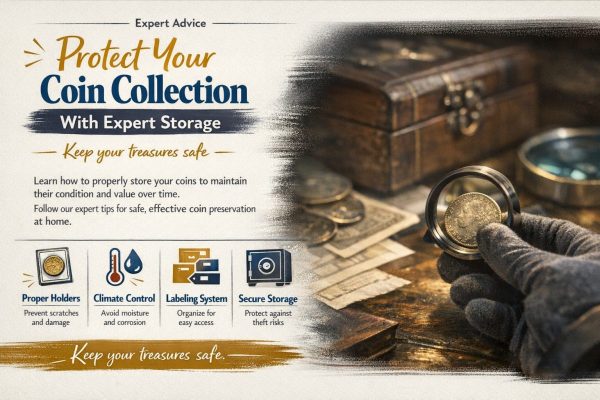


Protecting Your Precious Coins: Best Practices for Storage and Security
For collectors, protecting your precious coins is as important as acquiring them. Whether you have a few rare specimens or a large, diverse collection, safeguarding these valuable items from damage, theft, and environmental threats is essential. This guide explores the best practices for storing coins safely and securing your collection to preserve its condition and value for years to come. With practical advice and proven methods, you can confidently protect your investment and passion.
Why Proper Storage Matters for Coin Collectors
Coins are delicate artifacts that can deteriorate quickly without the right care. Exposure to moisture, air pollutants, improper handling, or physical damage can reduce their value significantly. Even minor scratches or discoloration may diminish a coin’s appeal to collectors and investors.
Beyond physical damage, theft is a real risk for valuable collections. Taking steps to secure your coins ensures peace of mind and helps maintain your collection’s integrity.
Environmental Factors That Affect Coin Condition
Coins are sensitive to their environment. Humidity can cause oxidation or tarnishing, especially for silver and copper coins. Acidic air, often from pollution or household chemicals, accelerates corrosion. Temperature fluctuations can cause condensation inside storage containers, further risking damage.
Proper storage controls these factors by minimizing exposure to harmful elements, stabilizing conditions, and preventing physical contact that causes wear.
Best Practices for Storing Precious Coins Safely
Choosing the right storage materials and methods is the foundation of protecting your coins. Here are key strategies every collector should follow:
- Use Inert, Acid-Free Holders: Avoid PVC-based flips or holders as they can release harmful chemicals over time. Instead, opt for Mylar flips, acid-free cardboard holders, or hard plastic capsules designed for coin protection.
- Store Coins Individually: Never stack coins loosely or in bulk. Individual holders prevent scratches and reduce exposure to contaminants.
- Control Humidity and Temperature: Maintain a stable environment with humidity around 30-50% and a moderate room temperature. Use silica gel packs in storage areas to absorb excess moisture.
- Limit Handling: Handle coins only when necessary and always with clean, dry hands or cotton gloves to avoid oils and dirt transfer.
- Organize and Catalog Your Collection: Keeping detailed records and labeling holders helps track provenance and condition, which supports both insurance and resale value.
Recommended Storage Options
- Coin Albums and Folders: Ideal for beginners or large collections, these provide easy organization but ensure they use archival-quality materials.
- Hard Coin Capsules: Provide superior protection from physical damage and environmental exposure, suitable for high-value pieces.
- Storage Boxes: Use acid-free boxes or lockable safes designed for collectibles. Choose boxes that fit your holders snugly to prevent movement.
Security Measures to Protect Your Collection from Theft
While physical preservation is critical, securing your collection against theft is equally important. Valuable coins are attractive targets for burglars and opportunistic theft.
Home Security Tips for Coin Collectors
Consider these essential security practices:
- Use a High-Quality Safe: Invest in a fireproof, heavy-duty safe with reliable locking mechanisms. Safes should be anchored securely to floors or walls.
- Limit Access: Restrict knowledge of your collection’s size and location to trusted individuals only.
- Install Security Systems: Home alarms, surveillance cameras, and motion detectors deter theft and provide evidence if needed.
- Insure Your Collection: Obtain specialized insurance coverage that protects against theft, loss, and damage.
Additional Security Considerations
For collectors who prefer remote consultations or mail-in services, secure shipping is vital. Use discreet, sturdy packaging and insured courier services. Tracking and signature confirmation add extra layers of protection during transit.
When attending coin shows or trade events, avoid displaying your most valuable coins openly. Use secure display cases and keep smaller quantities on hand to minimize risk.
Maintaining Your Collection Over Time
Protecting your coins is an ongoing process. Regularly inspect your collection for signs of deterioration or damage. This allows you to address issues early before they become irreversible.
Periodic Inspection Checklist
- Check for discoloration, spotting, or corrosion.
- Confirm holders and containers remain intact and free from damage.
- Ensure storage environment remains stable with no water leaks or pests.
- Update your inventory records with any changes or new acquisitions.
By staying vigilant and proactive, you ensure your collection remains a source of pride and value for years to come.
Conclusion: Protect Your Precious Coins with Confidence
Proper storage and security are the cornerstones of preserving your precious coins. By using inert holders, controlling environmental factors, and implementing robust security measures, you can safeguard your collection from damage and theft. Whether you are a seasoned collector or just beginning, adopting these best practices will help protect your investment and passion.
For expert guidance on how to best care for your coin collection or to learn more about secure storage options, contact Keywell Collectibles, Inc. Our founder, Armand Keywell, brings lifelong collecting experience to every consultation, ensuring personalized and trustworthy advice tailored to your needs. Reach out via our website at https://keywellcollectibles.com or email us directly at imakeywell@gmail.com to get started today.