

Estate Planning for Collectors: Protecting Your Coin and Precious Metal Assets
“`html
Estate planning for collectors is a crucial step to safeguard the future of your valuable coin and precious metal collections. Whether you are a seasoned numismatist or someone who has recently inherited a collection, having a well-structured estate plan ensures that your assets are preserved and transferred according to your wishes. This guide explores key strategies and considerations to help collectors protect their investments and provide clarity for heirs.
Understanding the Importance of Estate Planning for Collectors
Collectors often accumulate significant value in coins, currency, and precious metals over time. Without proper estate planning, these assets can become entangled in legal complications or undervalued during inheritance. Estate planning for collectors is essential to prevent disputes, minimize tax burdens, and ensure that the collection remains intact or is distributed as intended.
Why Collectible Assets Require Special Attention
Unlike traditional assets such as real estate or cash, collectibles have unique characteristics:
- Valuation Complexity: Coins and precious metals require expert appraisal to determine fair market value.
- Market Volatility: Prices fluctuate based on rarity, condition, and collector demand.
- Emotional Value: Collections often hold sentimental importance beyond monetary worth.
Ignoring these factors during estate planning can lead to undervaluation, unintended sales, or family disputes.
Legal and Tax Considerations
Collectors should be aware of how their assets are treated under estate and inheritance laws. Proper planning can help:
- Reduce estate taxes and capital gains taxes.
- Clarify ownership transfer to avoid probate delays.
- Ensure compliance with local and federal regulations governing precious metals and collectibles.
Steps to Incorporate Your Collection into Your Estate Plan
Incorporating your collection into your estate plan involves several deliberate steps. These ensure your coins and precious metals are protected and passed on according to your wishes.
1. Inventory and Documentation
Begin by creating a detailed inventory of your collection, including:
- Descriptions of each item (type, year, condition)
- Photographs or scans
- Appraisal reports from qualified professionals
Documentation is vital for accurate valuation and smooth transfer to heirs or beneficiaries.
2. Professional Appraisals
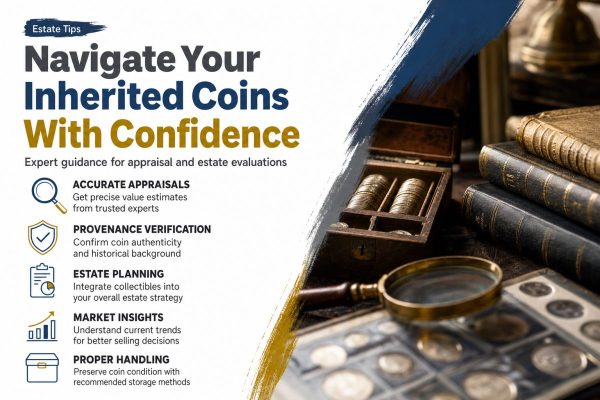
Have your collection appraised by experienced numismatic experts or precious metal specialists. This provides a reliable estimate of current market value and supports insurance and tax planning.
Remember, appraisals should be updated regularly to reflect market changes.
3. Establishing Ownership and Beneficiaries
Clearly define ownership of each collectible item in your legal documents. Consider specifying beneficiaries who will inherit particular pieces or the collection as a whole.
Options include:
- Direct bequests in a will
- Trusts to manage distribution over time
- Gifting during your lifetime to reduce estate size
Protecting and Managing Your Collection Within Your Estate
Once your collection is incorporated into your estate plan, ongoing management and protection are essential.
Insurance and Security
Ensure your collection is properly insured against theft, damage, or loss. Work with insurers who specialize in collectibles and precious metals to obtain adequate coverage.
Secure storage solutions such as bank safe deposit boxes or professional vaults can safeguard your assets during your lifetime and beyond.
Choosing the Right Executor or Trustee
Select a trustworthy and knowledgeable individual or institution to oversee your collection’s transfer. This person or entity should understand the value and significance of your collection and be capable of handling appraisal, sale, or distribution responsibly.
Communicating Your Wishes
Discuss your estate plan with your heirs and beneficiaries to avoid surprises and potential conflicts. Providing education about the collection’s value and significance can foster appreciation and responsible stewardship.
Common Challenges and How to Avoid Them
Estate planning for collectors can encounter pitfalls if not carefully addressed. Here are common challenges and strategies to overcome them:
Challenge 1: Lack of Proper Documentation
Without detailed records, valuations become difficult, and disputes may arise. Maintain updated inventories and appraisals.
Challenge 2: Disagreement Among Heirs
Clearly outline distribution plans and consider mediation clauses in your estate documents to manage potential conflicts.
Challenge 3: Market Fluctuations Affecting Value
Regularly review and update appraisals. Consider trusts or other legal tools that can provide flexibility in managing assets over time.
Conclusion
Effective estate planning for collectors ensures your coin and precious metal collections are protected, valued correctly, and passed on seamlessly to the next generation. By documenting your collection, obtaining professional appraisals, and clearly defining ownership and beneficiaries, you can avoid common pitfalls and secure your legacy.
For personalized guidance tailored to your unique collection, contact the experts at Keywell Collectibles, Inc. Our founder, Armand Keywell, brings lifelong collecting expertise to help you navigate estate planning with confidence. Whether you prefer in-person consultations in Livonia, Michigan, or virtual sessions nationwide, we offer comprehensive support every step of the way.
Start protecting your collection’s future today. Visit KeywellCollectibles.com or email us at imakeywell@gmail.com to get started.
“`